Seasonal Tourism Operators Balancing Dynamic Authorization Windows with Recurring Vendor Payouts in Remote Destination Networks
Theo Albrecht · Oct 8, 2026
Seasonal Tourism Operators Balancing Dynamic Authorization Windows with Recurring Vendor Payouts in Remote Destination Networks
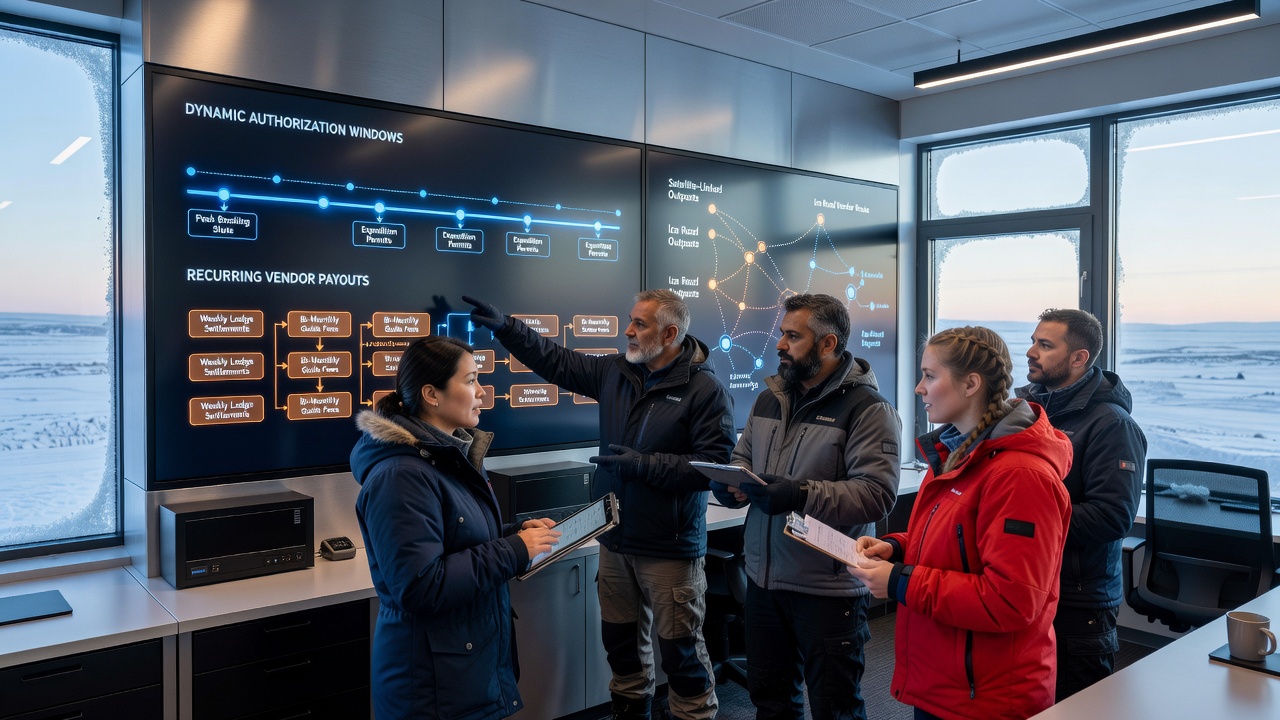
Seasonal tourism operators in remote destination networks face ongoing adjustments as authorization windows shift with demand patterns, while recurring vendor payouts require consistent timing to maintain supply chains. These operators, often located in mountain resorts or island communities, process payments through terminals and digital gateways that adapt hold periods based on transaction volume and risk profiles. Data from payment networks shows authorization holds can extend from hours during peak months to several days in shoulder seasons, directly affecting when funds become available for vendor distributions.
Authorization Timing in Variable Demand Environments
Remote destinations experience sharp fluctuations that influence how processors set authorization parameters, and operators track these changes to align cash availability with payout schedules. Research from the Bank of Canada indicates that seasonal merchants see authorization windows adjusted upward when transaction values rise above average thresholds, creating temporary liquidity gaps. Operators in places like the Canadian Rockies coordinate with processors to request expedited releases during high-occupancy periods, yet connectivity limitations in isolated areas slow the confirmation process and extend the effective hold time.
Payment systems record authorization events in real time, though settlement follows separate cycles that operators must map against vendor contract terms. Those managing supply contracts for food, fuel, and equipment note that delays compound when multiple vendors submit recurring invoices on staggered dates. Figures from the European Central Bank reveal similar patterns across alpine tourism regions, where dynamic risk scoring extends authorization periods by 24 to 72 hours during shoulder seasons to account for chargeback probabilities.
Recurring Payout Structures for Remote Vendors
Vendors supplying seasonal operations rely on predictable transfer schedules that operators must balance against incoming payment flows. Automated clearing house transfers and digital wallet disbursements form the core methods, and operators configure these to trigger once authorization holds clear. Studies conducted by Payments Canada demonstrate that remote networks experience higher failure rates on first-attempt transfers due to intermittent connectivity, prompting operators to build buffer periods into their payout calendars.

One resort operator in British Columbia adjusted vendor agreements in 2025 to include flexible payout windows tied to authorization clearance rather than fixed calendar dates. This approach reduced overdraft incidents by aligning outflows more closely with cleared funds, according to internal transaction logs shared with regional banking partners. Operators elsewhere apply similar logic when managing multiple vendor tiers, prioritizing critical supplies such as perishables over non-urgent maintenance contracts during constrained cash-flow windows.
Network Connectivity Challenges and Mitigation Approaches
Connectivity gaps in remote destination networks affect both authorization confirmations and payout executions, forcing operators to implement redundant pathways. Satellite links and backup cellular connections serve as common solutions, though they introduce additional latency that processors factor into risk models. Industry reports from the Australian Payments Network highlight how tourism operators in outback regions pre-authorize recurring vendor amounts at the start of each season to reduce mid-season processing pressure.
Operators also segment vendor payouts by priority and amount, routing smaller recurring transfers through faster rails while holding larger invoices for batch settlement. This segmentation helps maintain vendor relationships even when authorization windows stretch unexpectedly. Data compiled through 2026 shows these layered strategies have become standard practice among seasonal operators who serve destinations with limited infrastructure.
October 2026 Operational Adjustments
As operators prepare for the 2026-2027 winter season, many review authorization settings in advance of October booking surges. Processors typically issue updated risk parameters during this period, and operators test payout simulations to verify vendor schedules remain intact under revised hold times. Coordination with regional financial institutions helps identify potential bottlenecks before they affect supply deliveries.
Conclusion
Seasonal tourism operators continue refining the coordination between dynamic authorization windows and recurring vendor payouts as remote networks evolve. Transaction data and processor guidelines provide the factual basis for these adjustments, allowing operators to maintain supply continuity while managing cash-flow timing across variable demand cycles.